
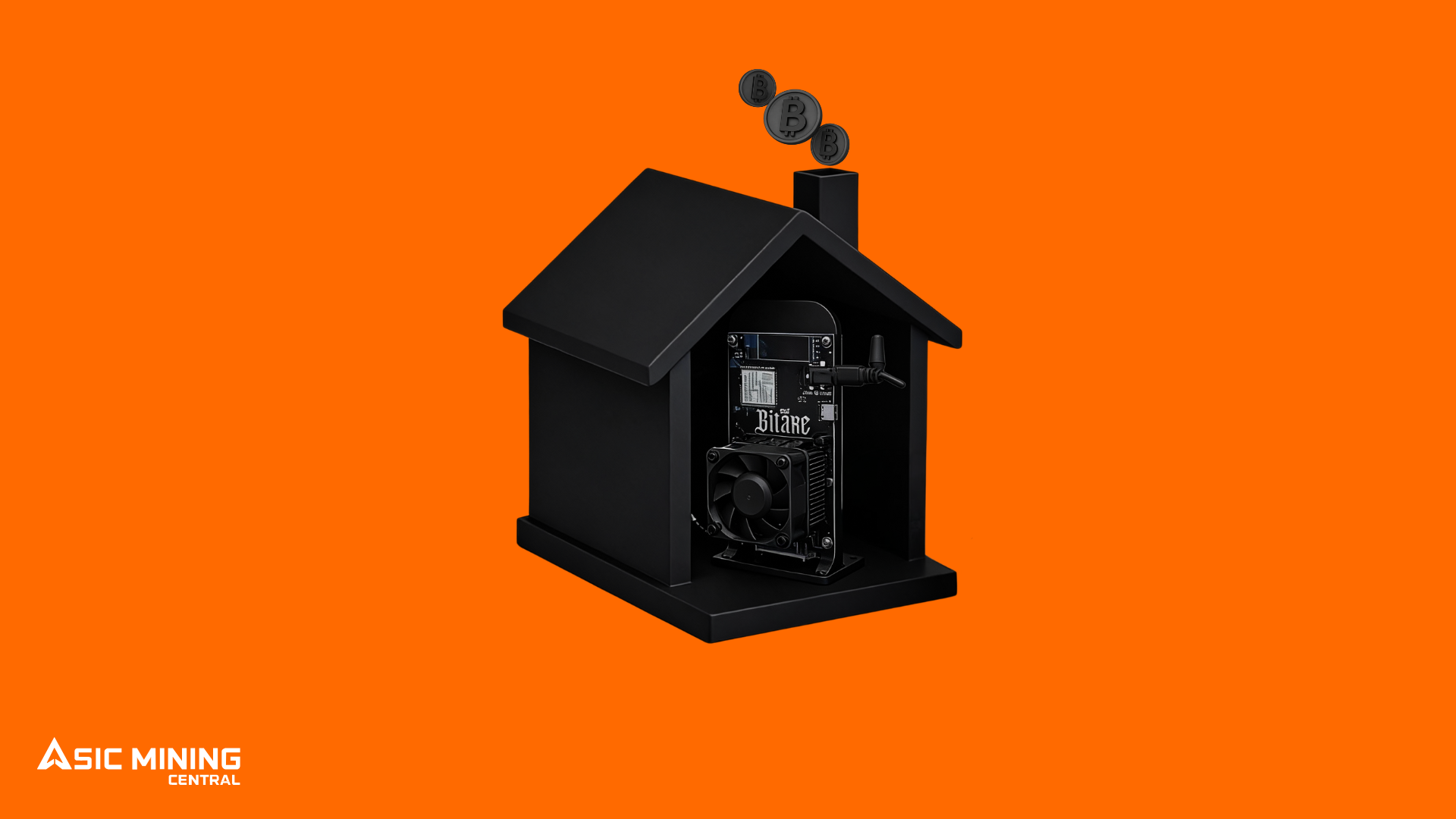
The process of setting up an ASIC mining system at home can be a bit daunting initially however, it becomes easier when you break it into small steps. This guide will walk you through the entire process from selecting equipment to starting the first session of mining. If you're just beginning with no knowledge or have a knowledge of technology, you'll find answers to all your concerns here.
The mining industry for cryptocurrency has drastically changed in the past couple of years. Equipment has improved as well as software has advanced, as well as mining pool have made it much easier for miners at home to receive consistent earnings. Mining at home isn't reserved for the most technical of people. Anyone with a basic understanding are able to install and manage mining equipment.
When you begin making plans for a home mining setup for beginners, knowing the basics can help to make the right choices. The most common question people have is "What do I actually require?" The answer to that question is contingent on a variety of variables. Your electricity costs in your local area as well as the space available for the desired cryptocurrency are all factors. Asic Mining Central has been regarded as a trusted resource for mining equipment that can be used in crypto to help miners determine what equipment is best suited to their requirements and budget.
What is ASIC Mining?
ASIC stands for "Application-Specific Integrated Circuit." It's a chip in a computer that is designed to perform one task very efficiently: mine cryptocurrency. ASIC miners can solve complicated mathematical problems that ensure that cryptocurrency networks are secure and running. When a miner is successful in solving an issue, it earns cryptocurrency as an incentive.
There are various kinds of ASIC Miners are available for various cryptocurrency. Certain specialize in Bitcoin mining using SHA256 algorithms. Others deal with Litecoin by using Scrypt. Others concentrate on Monero by using RandomX. The cryptocurrency you choose to mine will determine which ASIC mining device you require.
Mining at home has distinct advantages over commercial operations. The cost of electricity might be lower, but you have complete control over the equipment you use, and you can increase or decrease your mining depending on your needs and preferences. Home mining can also be an opportunity to learn the way cryptocurrency networks work.
How to Setup An ASIC Mining Machine at home
Installing the Asic Mining machine at your home requires many distinct steps. It starts with planning and research. The second step is selecting equipment and purchasing. Third is the preparation of space. Fourth is the assembly of hardware and configuration. Fifth is the software configuration. Then, you connect to the mining pool and start the mining process.
The whole setup process usually will take between 2 and 4 hours once you have all the materials in place. Many people will spend more time planning and researching prior to. Planning in advance will prevent costly errors later. The rush of setting up can lead to issues that are difficult to fix once the event has occurred.
Before buying anything, consider whether mining is financially feasible for your particular situation. The cost of electricity in your area is the primary element. Costs of electricity are high, which makes mining less profitable or even unprofitable. Lower electricity costs make mining a possibility of being profitable. This is true regardless of the type of equipment you select.
ASIC Mining Hardware Requirements
Knowing ASIC equipment requirements for mining can help you choose the best equipment to meet your needs. Modern ASIC miners differ in power consumption, size and performance. The ideal choice will depend on the price of electricity as well as space available, and your preference for cryptocurrency.
The essential components you'll need are:
- ASIC Miner: The primary device used for mining (popular 2026 options include S21 Pro, S21 XP, L9, and X9).
- Power Supply Unit (PSU): Supplies stable and reliable power to the miner (must be properly rated for the miner’s power requirements).
- Mining Cables: Connect the ASIC miner securely to the power source.
- Cooling System: Manages heat generated during mining (cooling fans, ventilation ducts, exhaust systems, or air conditioning).
- Network (Ethernet) Cable: Connects the miner to a stable internet connection.
- Surge Protector: Protects mining equipment from voltage spikes and electrical surges.
-
Power Meter: Helps monitor real-time electricity consumption and operating costs.
Each component has a particular function in your mining operation. The ASIC miner is responsible for the actual mining. The power supply supplies steady, reliable electricity. The cooling system helps remove heat to ensure that it is not overheated. The network connection connects your mining device to mining pools as well as the blockchain.
Understanding the specifications allows you to determine the best miners. Hashrate is a measure of the speed of mining usually expressed in Terahashes each second (TH/s) for Bitcoin miners. Power consumption is a measure of watts consumed. Efficiency ratings mix these two measurements to determine how much power each piece of computing needs.
Making what is Right Mining Environment
Your mining space needs proper ventilation, coolant, as well as electrical power. ASIC miners generate substantial heat during operation. Without proper cooling, the equipment will shut down automatically to safeguard itself from harm.
Space Planning
You don't require a lot of area to setup a home mining system for novices. A single miner can occupy about 1 to 2 square feet of space. But, you require additional space for the air circulation around your equipment. The basement's corner or spare space or garage are all good options when there is sufficient ventilation.
The temperature is a major factor. The ideal mining area should be kept between 65 and 75 degrees Fahrenheit. Temperatures that are warmer reduce efficiency and put more stress on components. Cooler temperatures increase performance, but might require additional cooling equipment.
Cooling Solutions
The cooling options for home mining are depending on the climate and size. There are several options:
- Ambient Cooling: Relies on natural airflow and room temperature (most effective in cold or cooler climates).
- Portable Air Conditioners: Ideal for hot climates or small mining setups where direct cooling is needed.
- Ventilation Ducts: Channel hot air from mining rigs out of the living or working area.
- Industrial Fans: High-capacity fans designed to move large volumes of air efficiently.
- Combination Systems: Use multiple cooling methods together to achieve optimal temperature control and efficiency.
Examine your cooling system before operating the miners continuously. Put your hands near the outlet for exhaust to ensure the removal of hot air in a proper manner. Keep track of temperature readings from your miner over the initial week after you start operating.
Electrical and Power Requirements
Mining equipment requires separate electrical circuits. Do not share power outlets with appliances in your home, computers or other gadgets. Your mining equipment requires constant, stable electricity with no fluctuation.
Important electrical considerations to consider:
- Verify your home's electrical power before installing
- Make sure you have enough power for your mining equipment
- Make sure to use surge protectors that are heavy-duty and rated for large power draw
- Install a circuit breaker that is dedicated If you can
- Calculate total power usage, including cooling systems.
- Be sure to keep power cables out of any moisture or damage.
- Use grounded outlets specifically designed to be used with high-power equipment
- You might want to consider employing a certified electrician for installation
Bitcoin mining costs for electricity are based on local power rate. Calculate your monthly power bill by multiplying the wattage of your miner by the electricity rate in your area. For instance, a 3,500 watt miner working 24 hours per day consumes 2,520 Kilowatt-hours per month. At $0.10 per kilowatt hour, it will cost you $252 per month in electric power.
Lower costs for electricity allow mining to be more profitable. The higher costs can reduce profitability dramatically. Understanding this connection is crucial to make smart mining choices. Certain regions that have cheap electricity view mining as profitable. Others with high electricity costs consider mining to be unprofitable given current prices of cryptocurrency.
The Mining Software ASIC Configuration
ASIC Mining software choices for 2026 offer a variety of reliable options. The program you choose to use is contingent on the specific model of your miner and the mining pool you choose. Popular options include CGMiner, BFGMiner, Awesome Miner, and manufacturer-specific applications provided by Bitmain, MicroBT, and Canaan.
Software Setup Process
The efficiency of your mining operation is dependent on the correct software configuration. Properly configured, your mining system operates efficiently and sends accurate shares for your pool of mining. Unconfigured settings cause computer power loss or hinder the operation.
Basic software setup requires these steps:
- Download the right software version for your particular hardware model
- Set up your miner's IP address within your network
- Enter the stratum address of your mining pool and port number.
- Names for workers can be created and assigned secure passwords
- Confirm connection to the chosen mining pool.
- Monitor the real-time hash rate as well as temperature readings
- Be sure to look for warnings, errors or connections issues.
- Set the settings as needed Based on the performance
Many mining programs display live statistics on your miner's performance. Learn to recognize the hash rates (mining speed) and power consumption temperature readings, as well as rate of submission to share. These numbers can tell you if your system is functioning properly.
Keep your mining software up to date. The developers regularly release enhancements that improve performance or address security problems. Make sure to check for updates every month or whenever you notice issues with performance.
Mining Pool Configuration Tutorial
Participating in a mining pool makes sense for many homeowners who are mining at home. Pools pool computing power of many miners drastically increasing your opportunities to earn cash on a regular basis. Mining on your own takes a lot more time to earn rewards since you're competing with massive commercial enterprises.
How Mining Pools Function
Mining pools function by dispersing tasks among a variety of miners, and sharing rewards according to the computing power that they contribute. When a miner from the pool is able to solve a block, the pool gets the reward and distributes a portion for all contributors based on the hash rates of their.
Popular mining pools that mine Bitcoin are Braiins, Slush, AntPool, ViaBTC, and others. Each of these pools operates differently in terms of fees and payout methods as well as minimum amount of payouts. Consider several options prior to deciding.
Factors to be considered when selecting a pool:
- Mining Fees: Typically range between 1% and 4% of your mining rewards.
- Minimum Payout: The minimum amount you must earn before withdrawals are allowed.
- Payout Frequency: How often rewards are distributed (hourly, daily, weekly, etc.).
- Server Locations: Geographic server placement affects latency and connection stability.
- Community Reputation: Check reviews and feedback from other miners before choosing a pool.
- Support Quality: Evaluate how quickly and effectively customer support responds.
-
User Interface: Consider how simple and user-friendly the platform is for managing your account.
The basics of setting up a pool include setting up an account, registering your mining account and confirming connections. The majority of pools offer detailed instructions specifically for their platforms. Follow their guidelines carefully to ensure correct configuration.
The Mining Industry: Understanding Costs and the potential for profit
The profitability of home mining is based on three major aspects: equipment costs as well as electricity costs and cryptocurrency price. The three factors alter over time, which affects the overall return.
Cost breakdown typical for a mining setup at home
- ASIC Miner: $1,500 – $12,000, depending on the model and performance level.
- Power Supply Unit (PSU): $200 – $600.
-
Cooling Equipment: $100 – $800, based on the cooling solution used.
Networking Equipment: $50 – $150. - Cables and Accessories: $50 – $150.
- Monthly Electricity Cost: $100 – $600+, depending on power consumption and local electricity rates.
The estimates of profitability change every day. Prices for cryptocurrencies fluctuate according to market conditions. Mining difficulty is automatically adjusted with the increase in miners joining. What is profitable today may not be so profitable in the next month.
This is the reason understanding your expenses is more important than being able to time your purchases perfectly. Determine your fixed monthly costs (electricity) and know the total amount you invest. Estimate your potential earnings by comparing current prices for cryptocurrency and the difficulty levels. Tools such as miningnow.com allow you to input your specifications for mining and the electricity rates to calculate your monthly or daily income.
Be realistic with your expectations. Mining can generate passive income if executed correctly however it's not a quick-fix scheme to make money. Most miners can earn returns in the 12-24 months following a take care to manage their costs and select the right equipment.
Complete Installation Guide
Completely install the steps in the correct order:
- Prepare the space: Clean the area, verify the cooling system works, and test electrical circuits.
- Assemble equipment: Unbox all items and confirm every required component is present.
- Set up the power supply: Install and connect the PSU according to the manufacturer’s instructions.
- Connect power cables: Attach cables from the power source to the miner, ensuring correct polarity.
- Mount the cooling system: Install fans, ventilation, or ducts in an appropriate and secure manner.
- Connect the network cable: Use an Ethernet cable to connect the miner to your router or network.
- Power on and test: Switch on the power and confirm the miner boots properly.
- Access the miner interface: Open a web browser and enter the miner’s IP address.
- Configure pool settings: Enter the mining pool address, worker name, and password.
- Start mining: Begin mining and closely monitor the first 1–2 hours of operation.
- Check performance: Verify hash rate, temperature, and power usage are within normal ranges.
- Install monitoring tools: Set up alerts for downtime, errors, or excessive temperature increases.

The majority of miners come with comprehensive instructions. Read them carefully. If you have any issues, check the manual for support from the manufacturer or join online mining communities.
Mining Equipment Maintenance
Mining equipment produces the sound of 70-75 decibels, similar to a loud lawnmower or vacuum cleaner. The noise level doesn't harm equipment however it is important to be aware of this prior to setting up in noisy areas.
Regular maintenance extends equipment lifespan:
-
Monthly: Clean dust filters and fans; check for dust buildup inside the unit.
Monthly: Monitor operating temperatures to identify any early warning signs. - Monthly: Inspect components for wear, looseness, or physical damage.
- Quarterly: Examine all power and data cable connections for safety and stability.
- Quarterly: Check cooling system performance to ensure optimal airflow and heat removal.
- As updates are available: Install firmware updates released by the manufacturer to improve performance and stability.
Regular maintenance can avoid unexpected failures. One day of downtime can cost the company money. Prevention is less expensive and less time-consuming than emergency repairs.
Making Your Final Choice
Comparing various ASIC models will help you pick the best device for your specific needs. Hardware comparisons include analyzing the hash rate power consumption, efficiency costs, as well as noise levels. The best mining software is not the same for everyone.
Take into consideration these aspects when making your decision:
-
Electricity cost: The most critical factor affecting overall mining profitability.
Available space: Ensure you have enough room for equipment, airflow, and cooling. - Budget capacity: Determine how much you can invest upfront in hardware and setup.
- Target cryptocurrency: Decide which coin you want to mine based on interest and returns.
- Time commitment: Consider how much time you can devote to monitoring and maintenance.
- Long-term plan: Decide whether you want to scale up operations or stay small.
- Noise tolerance: Check if you can handle noise levels of 70 dB or higher.
-
Heat management: Confirm your space can handle the additional heat generated by mining equipment.
Do your research before buying. Check out reviews from real miners. Look up profitability calculators. Learn about the electricity costs in your area. Speak to other homeowners regarding their perso nal experiences.
Safety and best practices
Safety at home is important since mining equipment produces large amounts of heat and requires significant electric power. The proper electrical safety can help prevent dangers from fire. Good ventilation prevents carbon dioxide buildup. Temperature monitoring prevents equipment damage.
Essential safety guidelines to be followed:
- Never let miners run in totally enclosed areas
- Use electrical outlets that are properly grounded.
- Install the correct circuit breakers for your equipment
- Be sure to keep combustible materials out of mining equipment
- Make sure you have a fire extinguisher near by
- Check the temperature of equipment regularly
- Unplug the equipment as soon as the equipment is overheated.
- Do not touch any equipment while it's on.
- Keep liquids clear of electrical components
- Get enough ventilation to avoid problems with air quality.
Conclusion
Start your home-based ASIC mining is a process that requires careful planning and preparation. However, thousands of people have succeeded in operating mining equipment. Start by learning about your local electricity prices in addition to space availability and the cryptocurrency market. Do your research before buying expensive equipment. Be patient when setting up to avoid a blunder.
For comprehensive information on mining equipment selection and mining methods, Asic Mining Central provides solid advice on selecting the right equipment and understanding mining operations. Be aware it is a commitment that lasts for a long time which requires patience and attentive surveillance, not a quick money-making plan.
The mining industry for cryptocurrency is constantly to evolve. Keep up-to-date with developments in technology along with market developments. Join mining groups to share knowledge with other operators. Keep track of your profits regularly and make adjustments according to your needs.
Share:
ASIC Miner Comparison Table 2026: S21 Pro vs S21 XP vs L9 vs X9
Antminer S21 Pro Complete Review: Specs, ROI, Efficiency & Profitability